Anterior segment · Cataracts
Cataract surgery in Santo Domingo
Operating on a cataract today is also deciding which lens you will see the rest of your life with. That second part is the one I think about most.
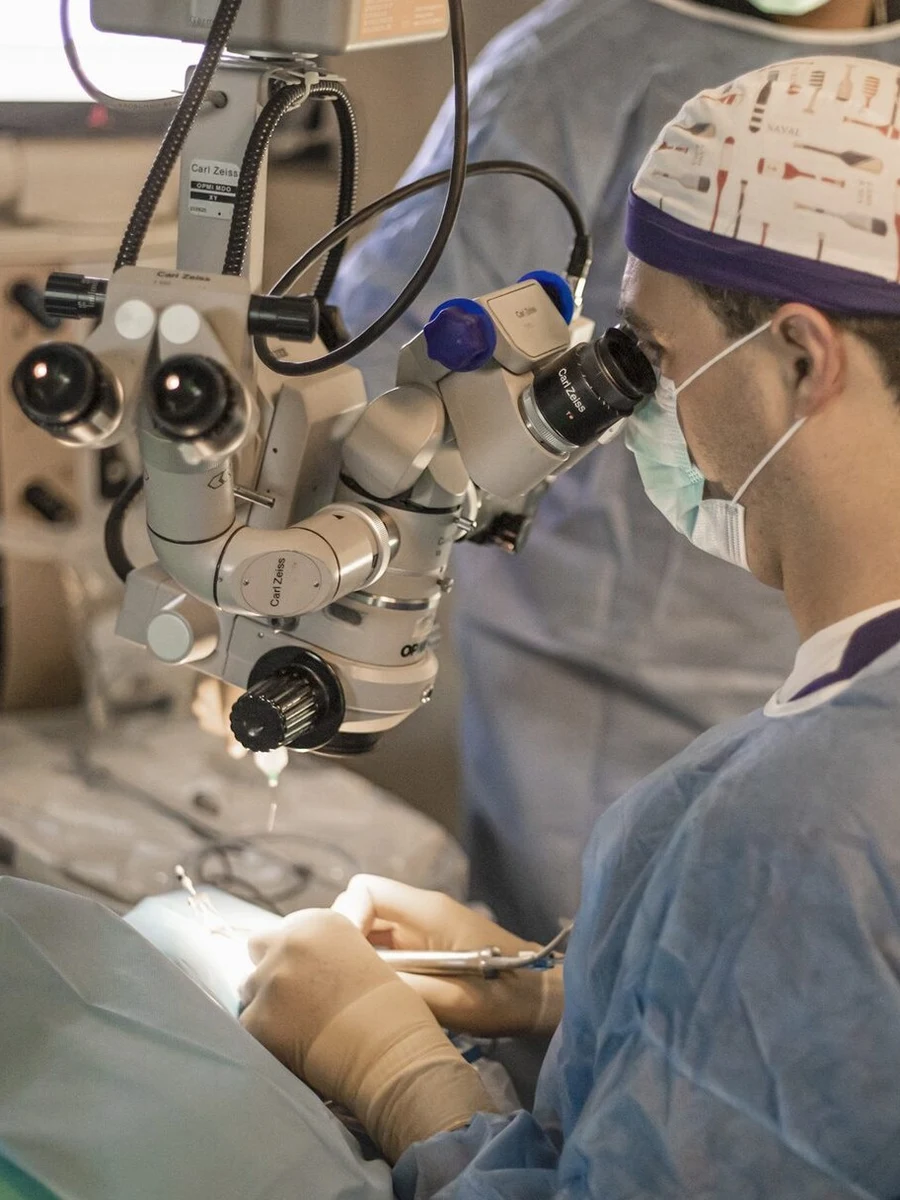
Operating on a cataract today is also deciding which lens you will see the rest of your life with. That second part is the one I think about most.
A cataract is the loss of transparency of the crystalline lens, the eye’s natural lens. It comes with the years and shows up as increasingly cloudy vision, with less contrast and more glare at night. Surgery today is a very refined procedure, but operating well is only half the work: the other half is choosing which lens you will see the rest of your life with.
That is why the first conversation is not about the technique, it is about you. What you do in your day, how much you drive at night, whether depending on glasses bothers you. The lens depends on those answers, and much of your result depends on the lens.
An eye that had laser myopia surgery before (PRK, LASIK or SMILE) is a special case. The intraocular lens calculation, routine in a normal eye, there requires different formulas and measurements to get the final prescription right. It is one of the areas I work in most, because a poorly done calculation leaves the patient with a refractive surprise that could have been avoided.
Premium lenses (toric, multifocal, extended range) can greatly reduce dependence on glasses, but they are not the answer for everyone. A multifocal can cause night halos that bother certain patients. I prefer to explain that before operating and choose together, rather than promise total independence and have reality fall short.
This page is for informational purposes and does not replace an ophthalmological evaluation. Cataract surgery and lens choice depend on each case and must be individualized in consultation.
The cloudy lens is removed with ultrasound through a small incision and an intraocular lens is implanted. It is the current standard of cataract surgery.
Toric lenses for astigmatism and multifocal or extended-range lenses to reduce dependence on glasses. The choice depends on your life, not just your eye.
In patients operated with PRK, LASIK or SMILE, the lens calculation requires special formulas and measurements. It is one of my areas of work.
In some cases, before a cataract exists, a phakic ICL lens corrects myopia without touching the natural lens.
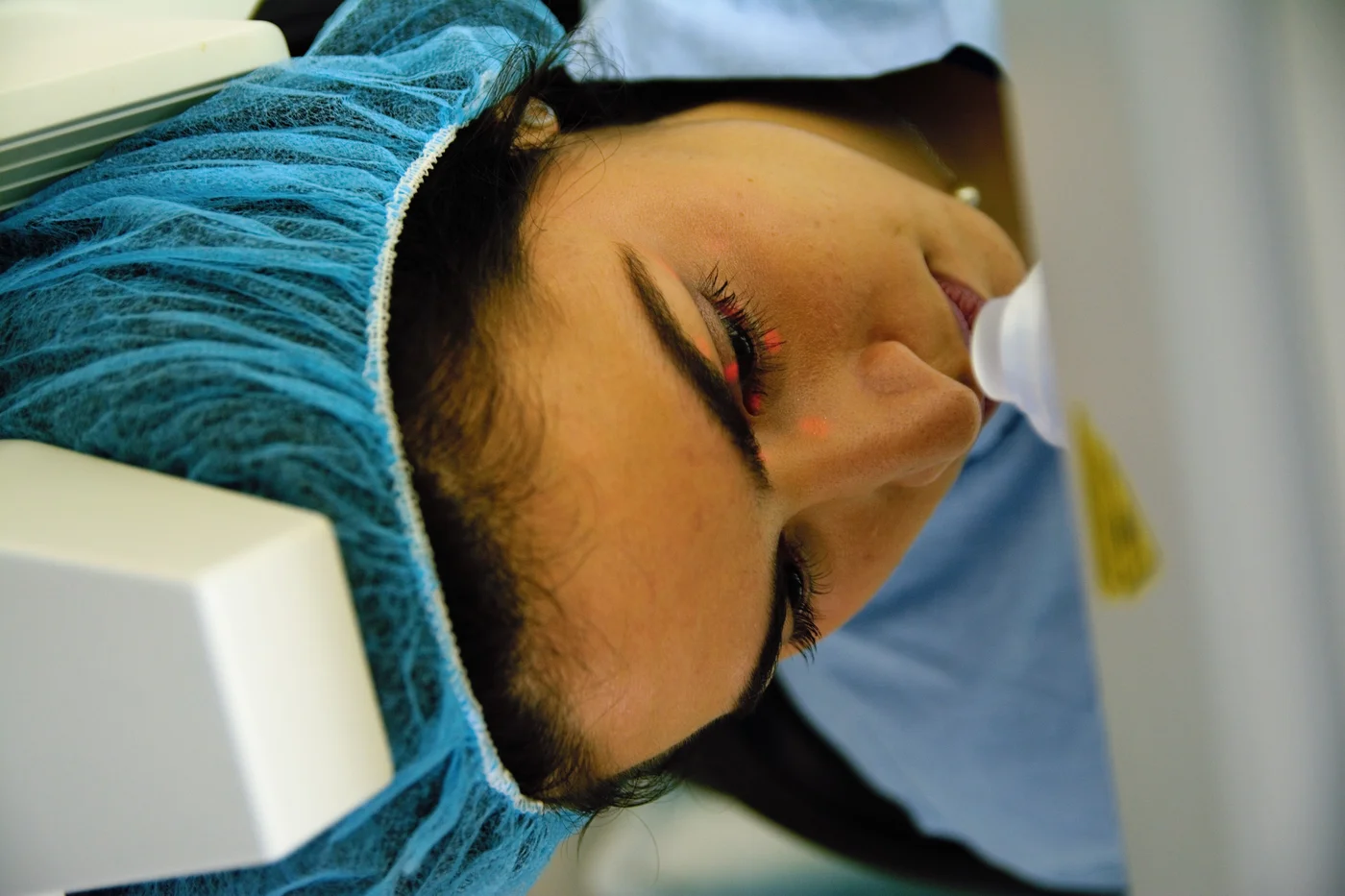
A cataract is not always operated on the moment it appears. The timing is set by how much it limits your daily life, not only by what the exam shows. And once we decide to operate, the lens conversation is as important as the surgery.
When it begins to limit your activities, such as reading, driving at night or working. There is no need to wait for it to be mature. A cataract that does not affect you yet can be observed and operated on later.
It depends on your eye and your life. There are monofocal lenses, toric lenses for astigmatism, and multifocal lenses to reduce glasses use. Each option has advantages and trade-offs worth discussing before surgery.
Yes. The point to watch is the intraocular lens calculation, which in an eye previously treated with laser requires special formulas and measurements to get the prescription right.
Write to us and Dr. Batlle Logroño's team will coordinate your cornea or refractive surgery evaluation.
Request an appointment