Cornea · Crosslinking
Corneal crosslinking in Santo Domingo
Crosslinking halts keratoconus progression. That is what it does and, with the same honesty, what it does not do: it stabilizes, it does not reverse.
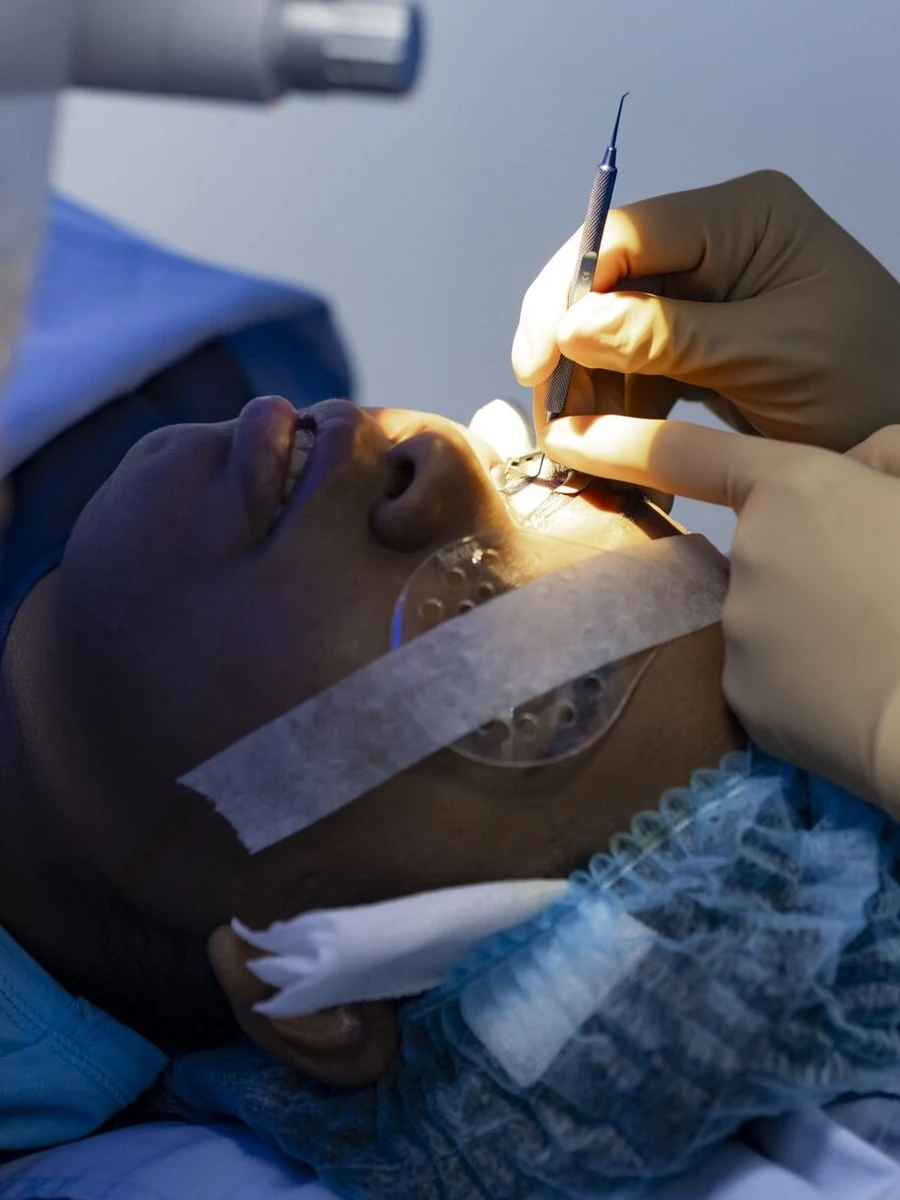
Crosslinking halts keratoconus progression. That is what it does and, with the same honesty, what it does not do: it stabilizes, it does not reverse.
Corneal crosslinking is the procedure we use to halt keratoconus progression. It combines ultraviolet light and riboflavin, a form of vitamin B2, to create new bonds in the cornea’s collagen and strengthen it. It is the standard for stopping the disease when it is advancing.
I prefer to be clear about what it does and does not do. Crosslinking stabilizes the cornea, it does not return it to how it was. It does not improve the prescription on its own or remove the need for glasses. Its value is in stopping the progression, and that value is enormous: a cornea that stops deforming is a cornea that may never reach a transplant.
The key indication is progression. In a keratoconus that is advancing and with sufficient corneal thickness, crosslinking makes full sense. In a stable one, with no changes on follow-up, the benefit is less clear, which is why the decision rests on tomography monitoring, not only on the initial diagnosis. When the cornea is too thin, protocol variants or other options must be evaluated before proceeding.
After stabilizing, the vision question usually follows: if the corneal shape is very limiting, intrastromal rings or CAIRS come in to regularize it. Crosslinking opens that door by stopping the disease first.
This page is for informational purposes and does not replace an ophthalmological evaluation. The indication for crosslinking depends on each case and must be individualized in consultation.
Combines ultraviolet light and riboflavin to strengthen the cornea's collagen and halt keratoconus progression.
Protocol adjustments depending on the case, to adapt treatment time or the handling of the corneal epithelium.
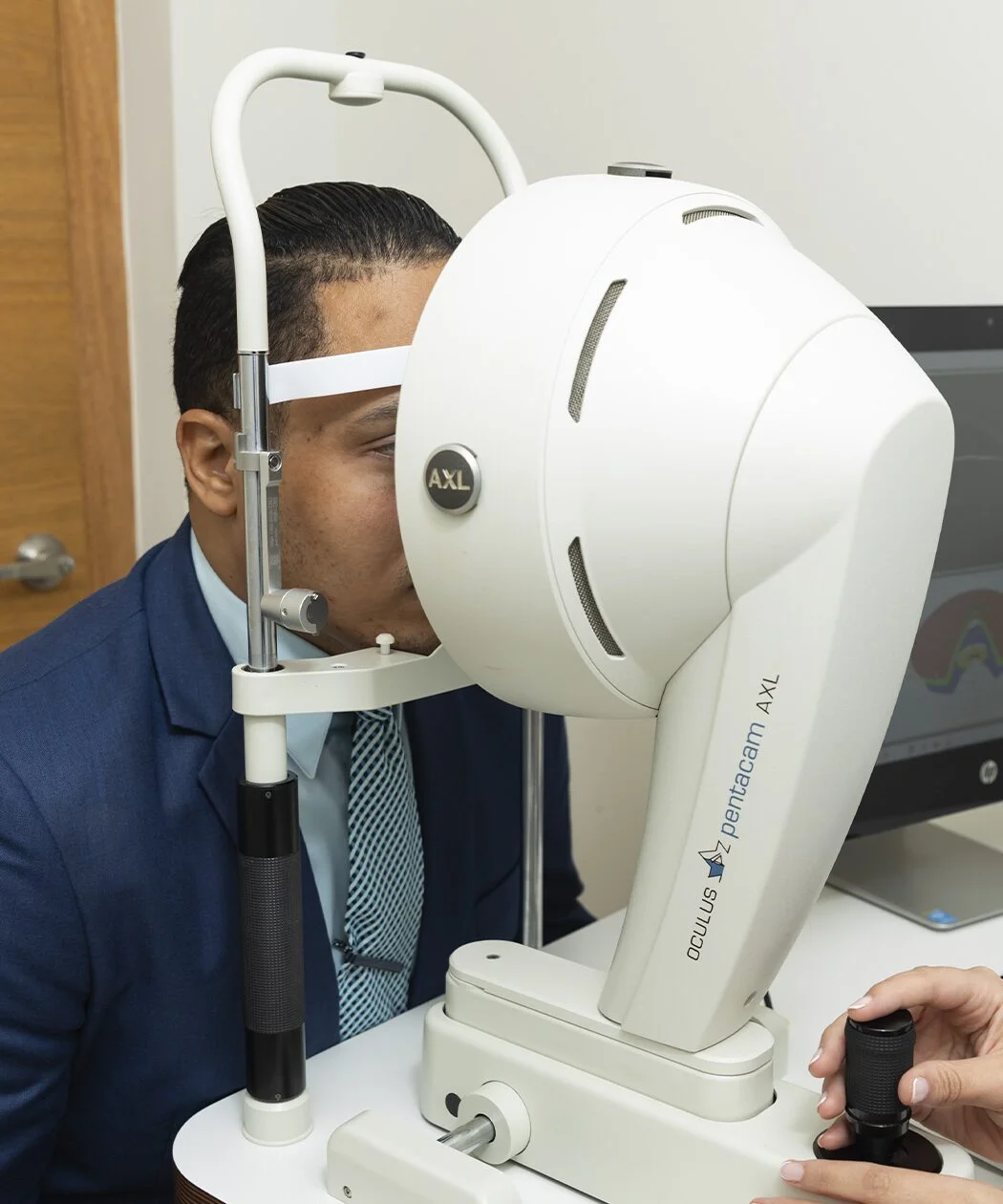
Crosslinking is not for every keratoconus, it is for the one that is progressing. Before indicating it I review whether the disease is advancing and whether the cornea meets the conditions to do it safely.
No. Crosslinking stabilizes the cornea and halts or slows the progression of the disease. It does not reverse keratoconus or remove the need for vision correction, but it may delay or prevent a transplant.
Mainly for patients with progressing keratoconus and sufficient corneal thickness. In a stable keratoconus the benefit is less clear, which is why the decision rests on follow-up, not only on the diagnosis.
It is an outpatient procedure. Discomfort and postoperative care vary depending on the protocol variant used, and are explained case by case in consultation.
Write to us and Dr. Batlle Logroño's team will coordinate your cornea or refractive surgery evaluation.
Request an appointment