Cornea · Rings and CAIRS
Corneal rings and CAIRS in Santo Domingo
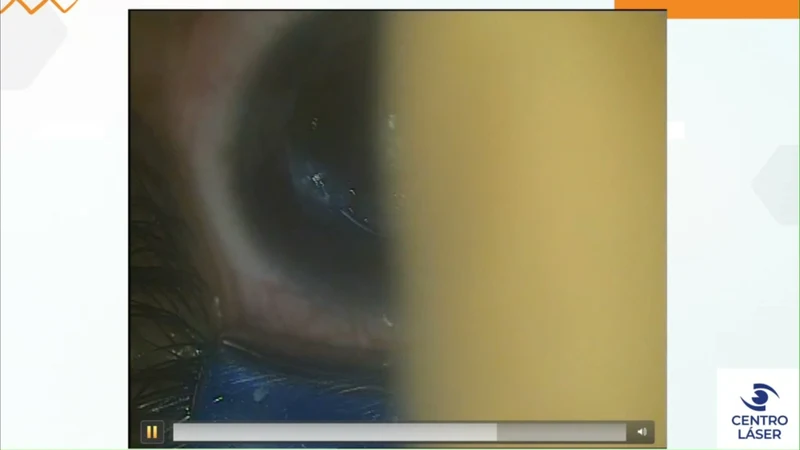
Rings regularize the cornea's shape in keratoconus. With CAIRS I use human tissue instead of plastic, for how it integrates with the eye.

Rings regularize the cornea's shape in keratoconus. With CAIRS I use human tissue instead of plastic, for how it integrates with the eye.
Corneal rings are small arcs inserted into the thickness of the cornea to regularize its curvature. In keratoconus, where the cornea loses its shape and an irregular astigmatism appears that is hard to correct with glasses, they help reorder that surface and improve vision.
I adopted the CAIRS technique early on; instead of synthetic material it uses segments of human corneal tissue. The difference is the material and what the eye does with it: synthetic rings are a body the cornea houses, while human tissue integrates with the patient’s stroma, with a biocompatibility that plastic does not offer. As Medical Director of the Dominican Republic Cornea Bank, I have direct access to the donor tissue these procedures need.
It is important to place rings in their spot within keratoconus management. They do not stop the disease: crosslinking does that, stabilizing the cornea when it is progressing. They are often combined, and the order depends on each case. And they are not a promise of leaving glasses behind: they improve visual quality, but many patients still use correction afterward.
Rings make sense when irregular astigmatism limits vision and the cornea still meets the conditions for the implant. When there is already central scarring or significant thinning, the conversation changes and moves to a transplant. Saying that in time is part of the job.
This page is for informational purposes and does not replace an ophthalmological evaluation. The indication for corneal rings or CAIRS depends on each case and must be individualized in consultation.
Rings made from donor corneal tissue instead of synthetic material, with greater biocompatibility and integration with the patient's stroma.
Segments inserted into the thickness of the cornea to regularize its curvature and reduce irregular astigmatism.
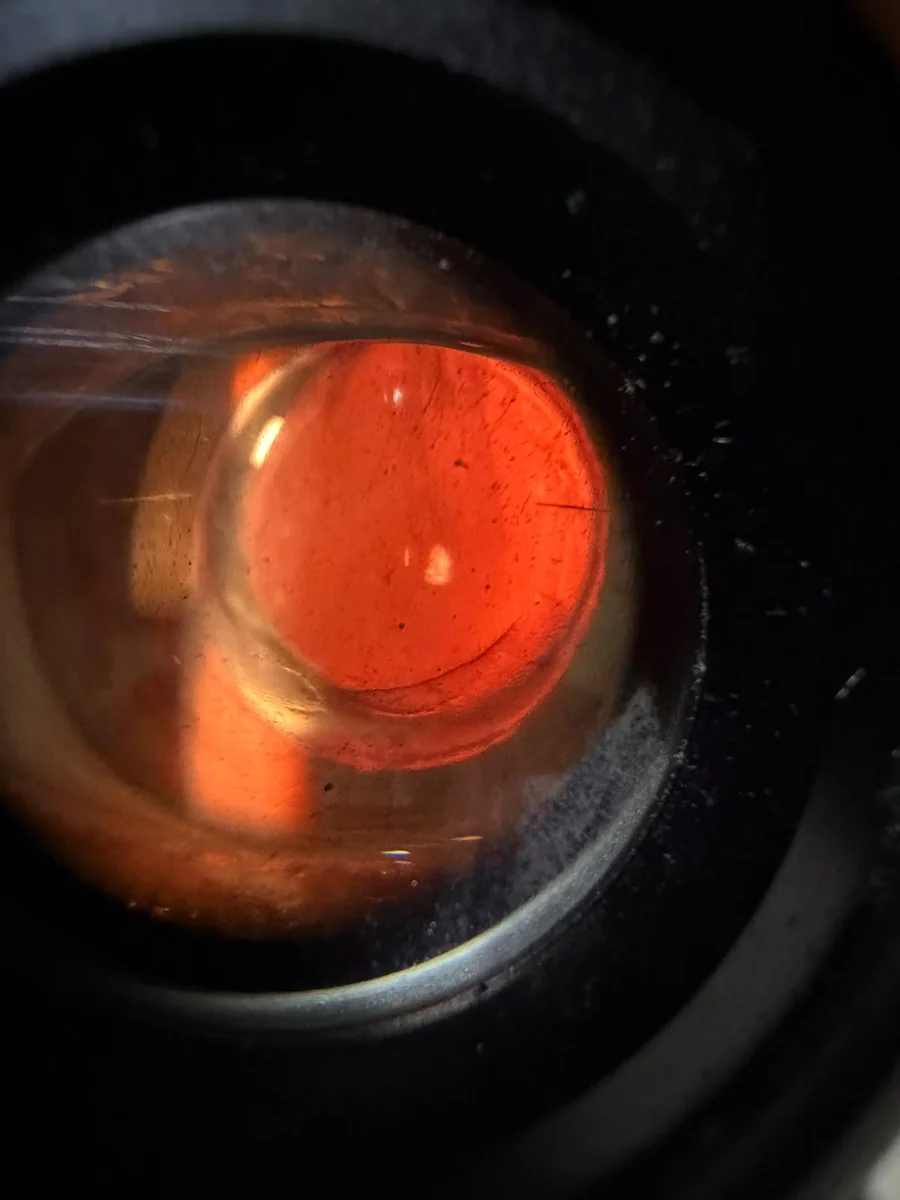
Rings regularize the cornea's shape, but they are not a universal solution and do not guarantee leaving glasses behind. They are one more option, available for the case that needs it. This is what I review before proposing them.
It is the material. ICRS are synthetic segments that the eye recognizes as a foreign body. CAIRS uses human corneal tissue that integrates with the patient's stroma, with greater biocompatibility.
No. They regularize the cornea's shape to improve vision and reduce irregular astigmatism, but they do not stop the disease. Crosslinking does that, stabilizing the cornea when it is progressing. They are often combined, and the order depends on each case.
Not always. Rings can greatly improve visual quality, but they do not guarantee leaving glasses or contact lenses. The result depends on each cornea.
Write to us and Dr. Batlle Logroño's team will coordinate your cornea or refractive surgery evaluation.
Request an appointment