ReLEx SMILE surgery corrects myopia and astigmatism through an incision of just 2 to 4 millimeters, without the need to create a corneal flap. According to data published in the Journal of Refractive Surgery, more than 8 million SMILE procedures have been performed worldwide since its approval, with satisfaction rates above 95% (Sekundo et al., 2023). In the Dominican Republic, this technique arrived in 2017 through CCCRP, and since then it has become a real alternative to LASIK for patients seeking a rapid recovery with lower risk of dry eye.
As the surgeon who introduced SMILE in the country, I can say the most significant change is not only technical. It is what it represents for the patient: a surgery that better preserves the structure of the cornea and, in most cases, allows them to resume normal activities the next day.
What is ReLEx SMILE and how does it work?
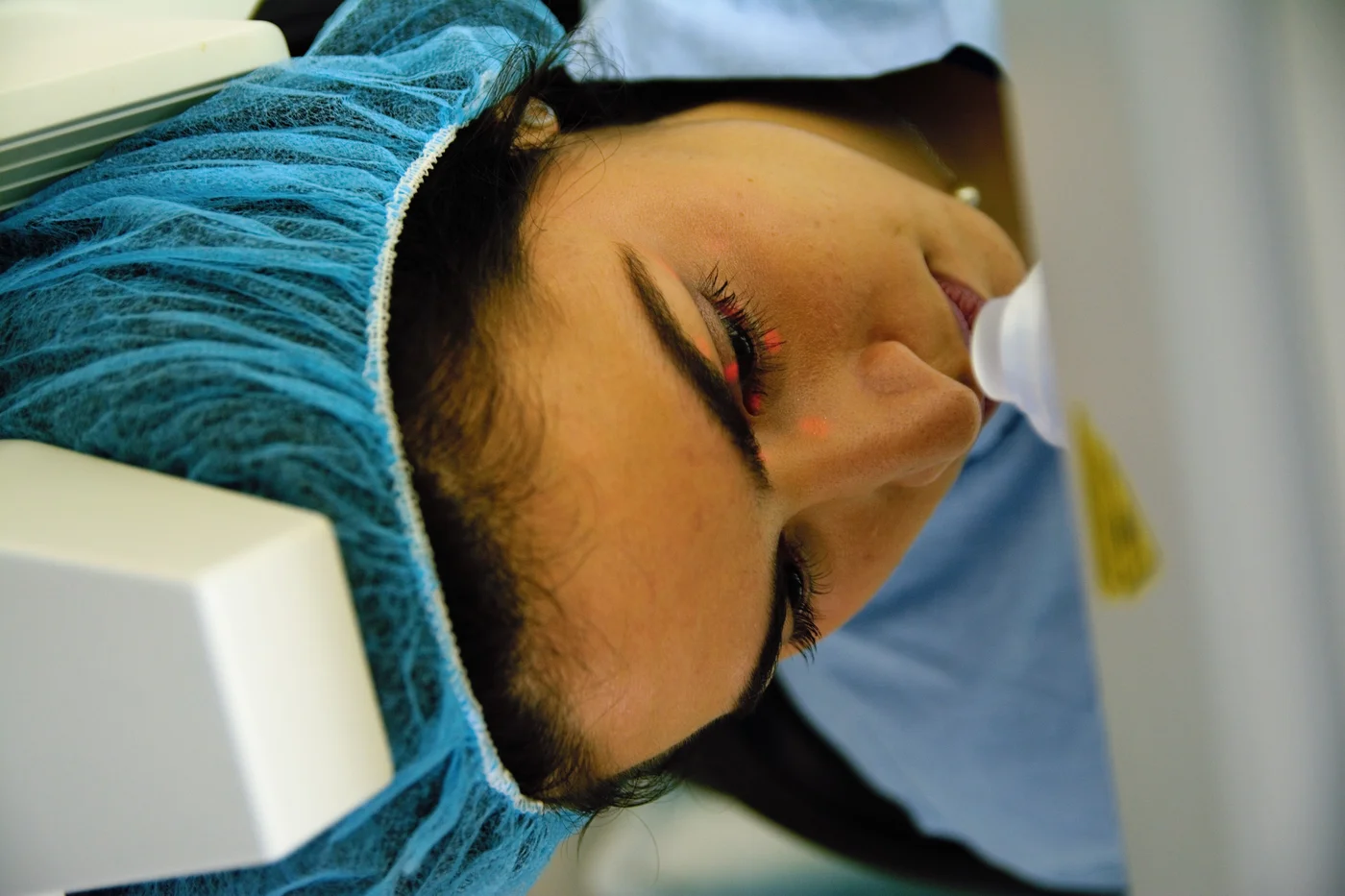
SMILE is the acronym for Small Incision Lenticule Extraction. The procedure uses a Zeiss VisuMax femtosecond laser to create a disc of corneal tissue, called a lenticule, within the layers of the cornea. That lenticule is removed through a lateral micro-incision, and once it is extracted, the cornea changes shape and corrects the refractive error.
There is no flap. No layer of the cornea is lifted. The surface of the eye remains practically intact, which has direct implications for biomechanical stability and postoperative recovery.
To understand the difference: in LASIK, the surgeon cuts and lifts a flap of roughly 20 millimeters in circumference. In SMILE, the incision measures between 2 and 4 millimeters. That changes the risk equation considerably.
Who is a candidate for SMILE?
Not every patient with myopia or astigmatism qualifies for this procedure. The preoperative evaluation is what determines whether SMILE is the best option or whether another technique fits the case better.
The general criteria include:
- Age between 18 and 44 with stable prescription
- Myopia up to -10 diopters
- Astigmatism up to -5 diopters
- Cornea with thickness and topography within safe parameters
- Absence of active ocular diseases such as untreated keratoconus
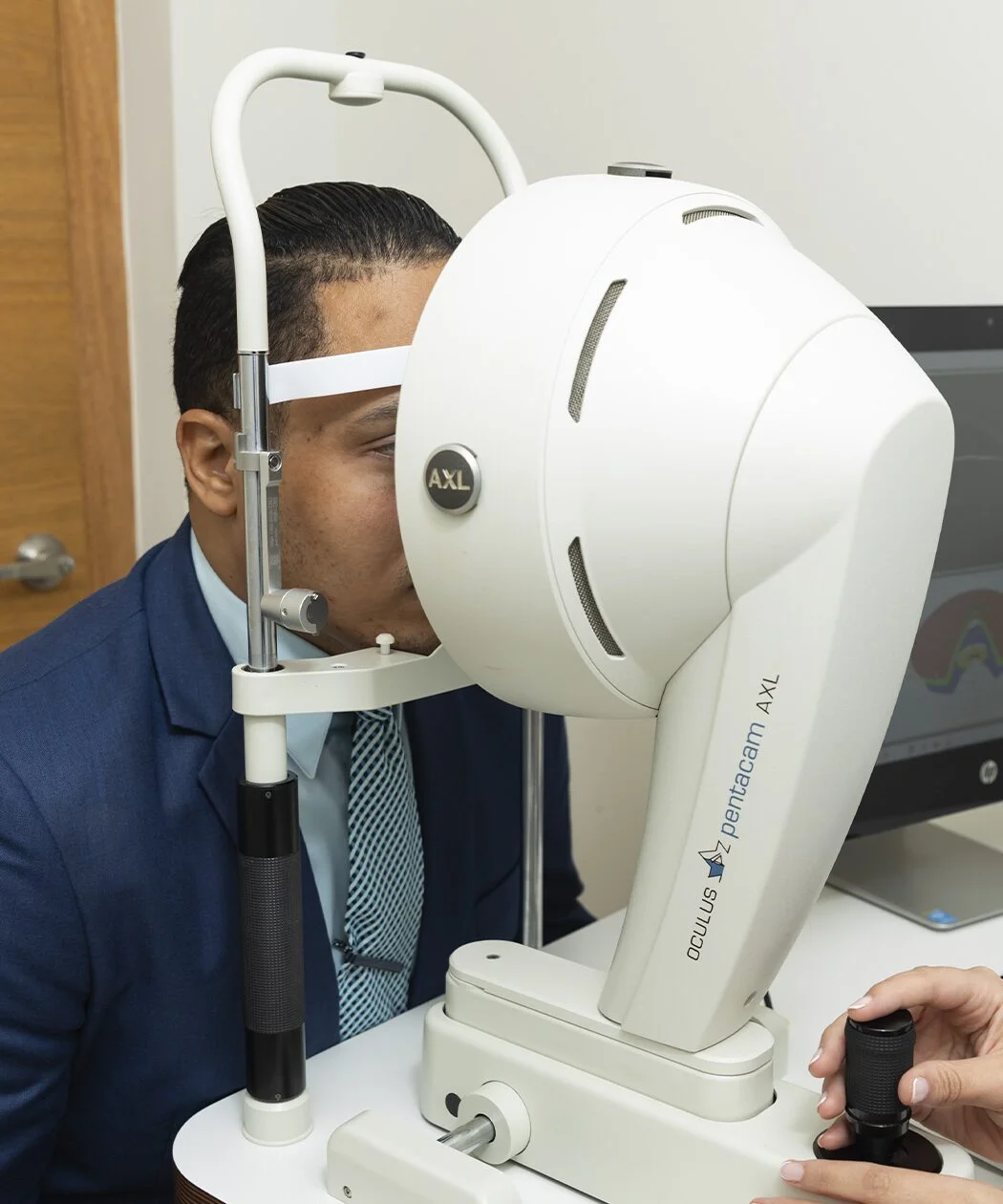
At CCCRP we evaluate each case with the Advanced Ocular Analysis, which combines corneal topography (Pentacam), personalized biometry (Topolyzer) and pupillometry. That data allows us to determine not only whether the patient qualifies, but also which technique suits them best among the available options: SMILE, SBK (advanced LASIK) or ASA.
The important point is that the decision is not based on a single measurement. It is a set of studies that evaluate the cornea, the pupil and the optical quality of the whole eye.
SMILE vs LASIK: what is the real difference?
The question I receive most in consultation is whether SMILE is "better" than LASIK. The honest answer is that it depends on the case, but there are objective differences worth understanding.
| Feature | ReLEx SMILE | LASIK (SBK) |
|---|---|---|
| Incision | 2-4 mm | ~20 mm (flap circumference) |
| Corneal flap | No | Yes |
| Risk of flap displacement | Not applicable | Low but existing |
| Postoperative dry eye | Lower incidence | Higher initial incidence |
| Biomechanical integrity | Greater preservation | Lower preservation |
| Hyperopia correction | Not currently available | Yes |
| Visual recovery time | 24-48 hours | 12-24 hours |
LASIK remains an excellent and well-established procedure. It is not about dismissing it, but about having an additional option that offers specific advantages for certain patients. A patient with a thin cornea or a tendency toward dry eye, for example, may particularly benefit from SMILE. A patient with hyperopia, on the other hand, will need LASIK or ASA because SMILE does not yet correct that error.
Technology does not replace clinical judgment. What it does is give us more tools to personalize treatment.
The SMILE experience in the Dominican Republic
CCCRP brought the first femtosecond laser for SMILE to the country. Since 2017 we have accumulated experience with this technique, and the results have been consistent with what the international literature reports.
What I have observed in practice is that patients who choose SMILE particularly value three things: the speed of recovery, the absence of significant discomfort the day after, and the peace of mind of knowing there is no flap that could be displaced by a blow or rubbing of the eye in the future.
In the academic arena, I have presented at international congresses on our experience combining SMILE with Advanced Surface Ablation (ASA) and Crosslinking in selected cases. This combination makes it possible to address patients with more complex profiles who would not be ideal candidates for a single technique alone.
I also train other surgeons in the technique. Part of what motivates this educational work is that SMILE requires a different learning curve than LASIK, and the quality of the result depends directly on the surgeon's experience with the specific procedure.
What to expect after surgery?
Most patients notice a significant improvement in vision within the first 24 hours. Some experience slightly blurry vision or halos around lights during the first few days, which is normal and tends to resolve in one to two weeks.
Anti-inflammatory and lubricating drops are used during the first weeks. Postoperative follow-up visits allow us to verify that recovery is progressing as expected and that the cornea is healing correctly.
One detail I usually explain to patients is that recovery with SMILE may be marginally slower than with LASIK in the first two or three days. This is because the cornea remodels differently without a flap. But by the end of the first week, the difference is no longer perceptible. And in exchange, the cornea remains more stable in the long term.
Frequently asked questions
Does ReLEx SMILE hurt during the procedure?
No. Anesthetic drops are applied to numb the surface of the eye. The procedure takes approximately 10 minutes per eye, and the most common sensation patients report is slight pressure, not pain.
Can I return to work the next day?
In most cases, yes. Functional recovery usually allows returning to office work and reading within the first 24 to 48 hours, although it is recommended to avoid environments with dust or smoke during the first week.
Does SMILE correct presbyopia (tired vision)?
Currently, SMILE is indicated for myopia and astigmatism. Presbyopia is addressed with other procedures such as refractive lens exchange or cataract surgery with multifocal lenses, depending on the patient's age and condition.
What happens if I develop cataracts years after SMILE?
Patients who have had SMILE can undergo cataract surgery in the future. The intraocular lens calculation requires specialized formulas that take the previous refractive surgery into account, something we routinely handle at CCCRP.
How long does the effect of SMILE last?
The correction is permanent. The extracted tissue lenticule does not regenerate, so the change in the shape of the cornea is definitive. However, natural changes in the eye with age (such as presbyopia after age 45) may require additional solutions in the future.
Making the decision
Laser refractive surgery can change a person's quality of life. But the decision to have surgery, and to choose the right technique, must be based on a complete evaluation and an honest conversation with a surgeon who has experience with all the available options, not just one.
If you are considering correcting your vision, the first step is a comprehensive evaluation that determines which procedure best fits your specific case. At CCCRP we evaluate each situation individually, because no two eyes are alike.
References
- Sekundo W, et al. "Ten-year outcomes of small incision lenticule extraction (SMILE)." Journal of Refractive Surgery. 2023.
- Reinstein DZ, et al. "Biomechanical and refractive outcomes of SMILE versus LASIK." Journal of Cataract & Refractive Surgery. 2022.
- American Academy of Ophthalmology. "Refractive Surgery Procedures: SMILE." AAO Clinical Education. 2024.