Cornea · Keratoconus
Keratoconus treatment in Santo Domingo
How I approach keratoconus by stage: from halting progression with crosslinking to reshaping the cornea with rings and CAIRS.
How I approach keratoconus by stage: from halting progression with crosslinking to reshaping the cornea with rings and CAIRS.
Keratoconus is a disease in which the cornea loses its rounded shape and thins out, taking on a conical profile. As it deforms, vision becomes blurry and distorted, and it tends to worsen over time if left unattended. In Santo Domingo I treat keratoconus with a stage-based approach: stabilize first, then regularize the shape and, only when needed, rebuild.
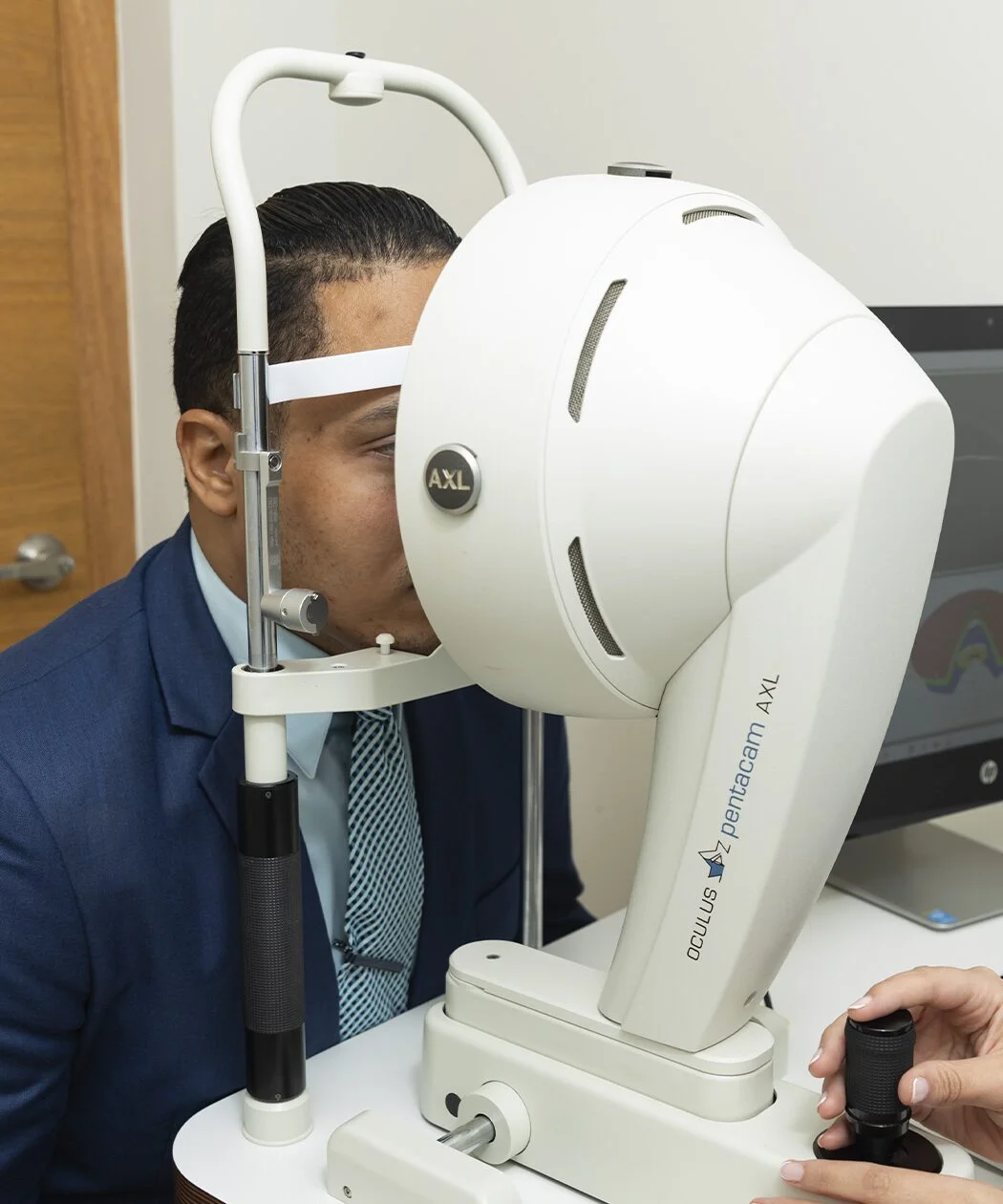
The first decision is not what to operate on, but whether the disease is progressing. A keratoconus that is advancing is managed differently from a stable one, and that difference defines everything that follows. This is why diagnosis with corneal tomography is the starting point, not a formality.
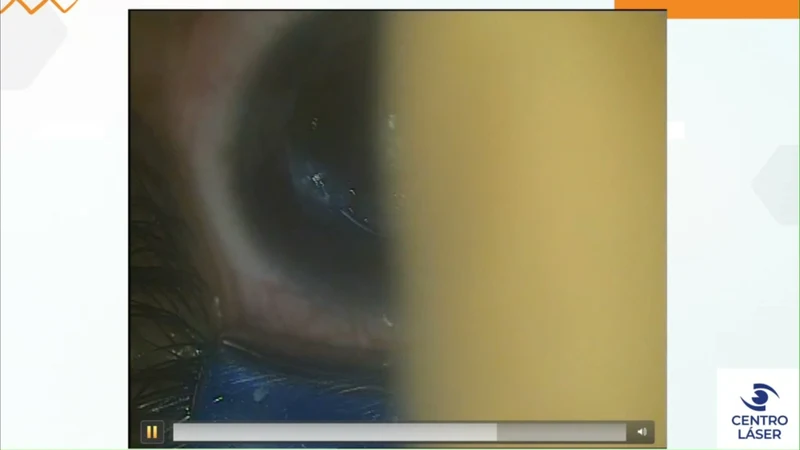
When the disease is active, the goal is to stop it. Corneal crosslinking uses ultraviolet light and riboflavin to strengthen the cornea’s collagen and halt progression. It is important to be honest about what it does and does not do: it stabilizes, it does not reverse. We introduced this technology in the Dominican Republic in 2007, being the first in the country with an ultraviolet light device for this procedure.
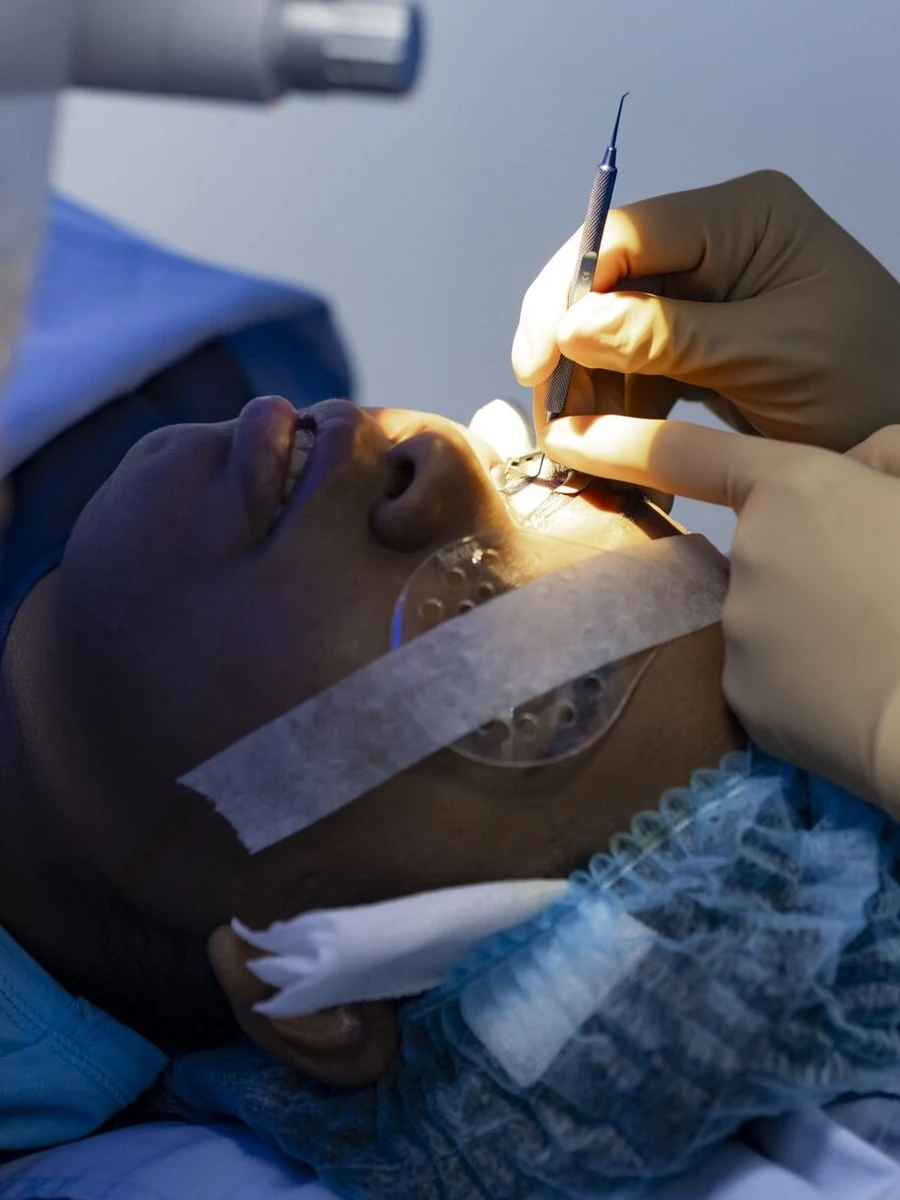
Once the cornea is stable, or when irregular astigmatism limits vision significantly, intrastromal rings come in. They are small arcs inserted into the thickness of the cornea to regularize its curvature. I adopted the CAIRS technique early on; instead of synthetic material it uses segments of human corneal tissue, with an integration and biocompatibility that plastic does not offer.
In advanced stages, with scarring or significant thinning, the best tool is no longer a ring but a transplant. Always preferring the least invasive option does not mean insisting on it when the eye calls for something else. Part of doing this work well is recognizing that point in time.
This page is for informational purposes and does not replace an ophthalmological evaluation. Keratoconus treatment depends on each case and must be individualized in consultation.
Combines ultraviolet light and riboflavin to strengthen the cornea's collagen. It is the standard for halting keratoconus progression. It stabilizes; it does not reverse the disease.
Small arcs inserted into the cornea to regularize its shape and reduce irregular astigmatism in keratoconus.
Rings made from human corneal tissue instead of synthetic material, with greater biocompatibility and integration with the patient's stroma.
Reserved for advanced stages with scarring or significant thinning, when the earlier options are no longer enough.
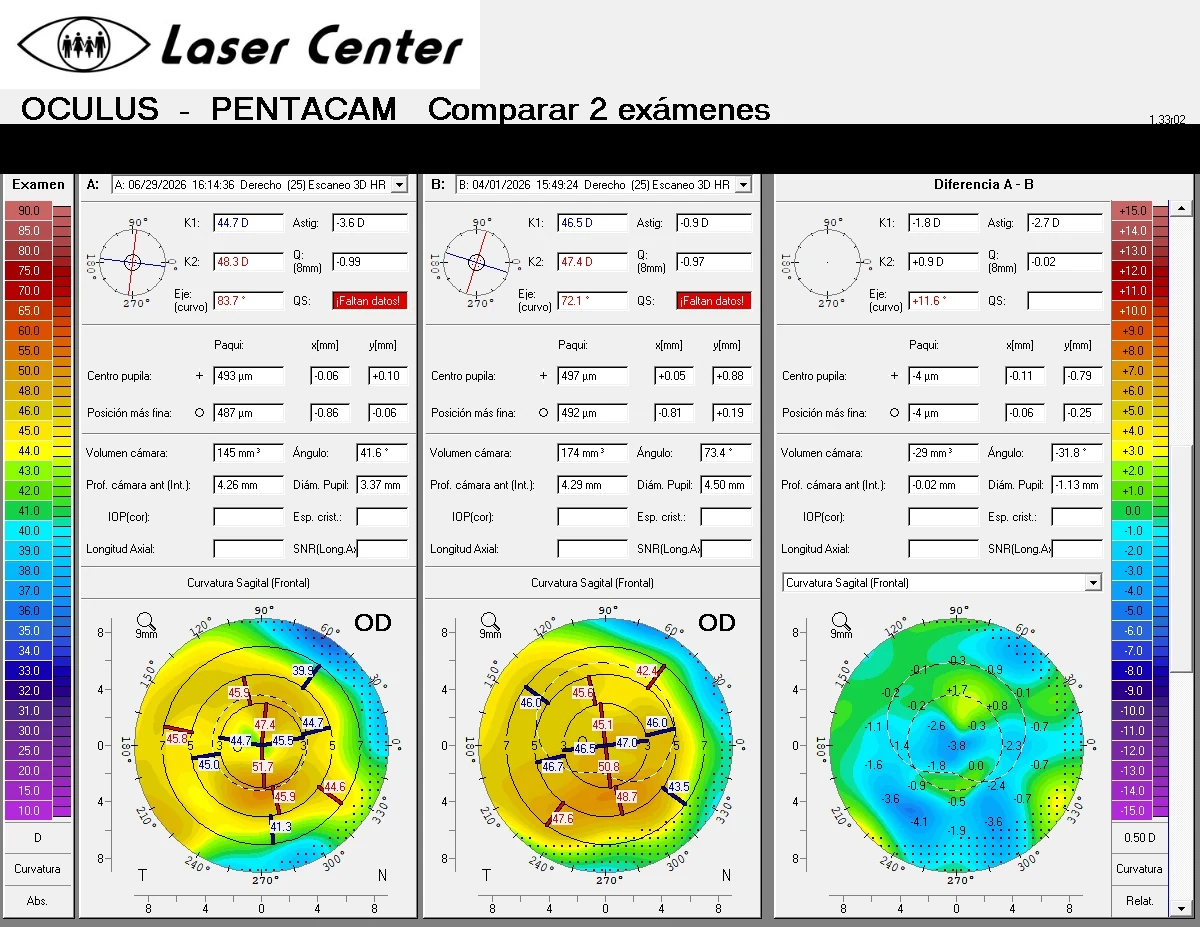
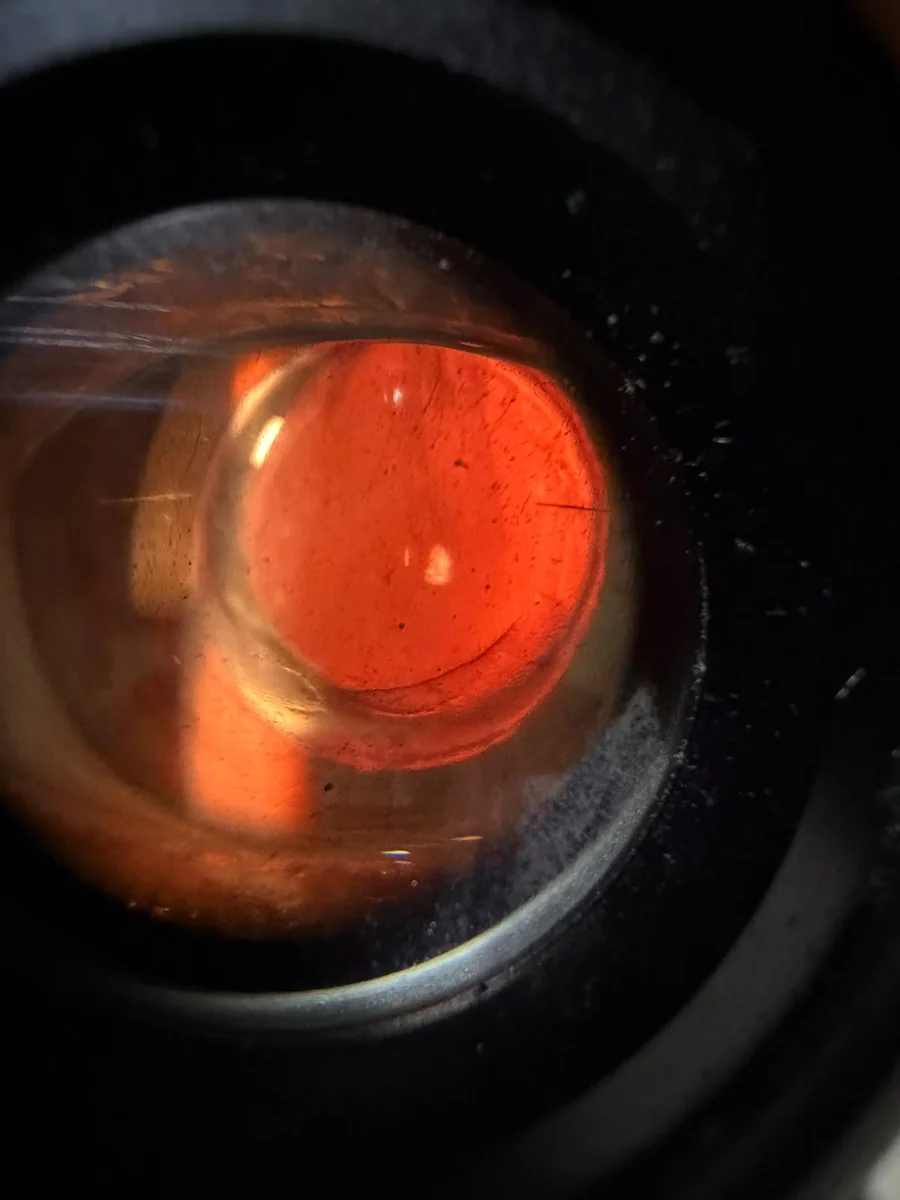
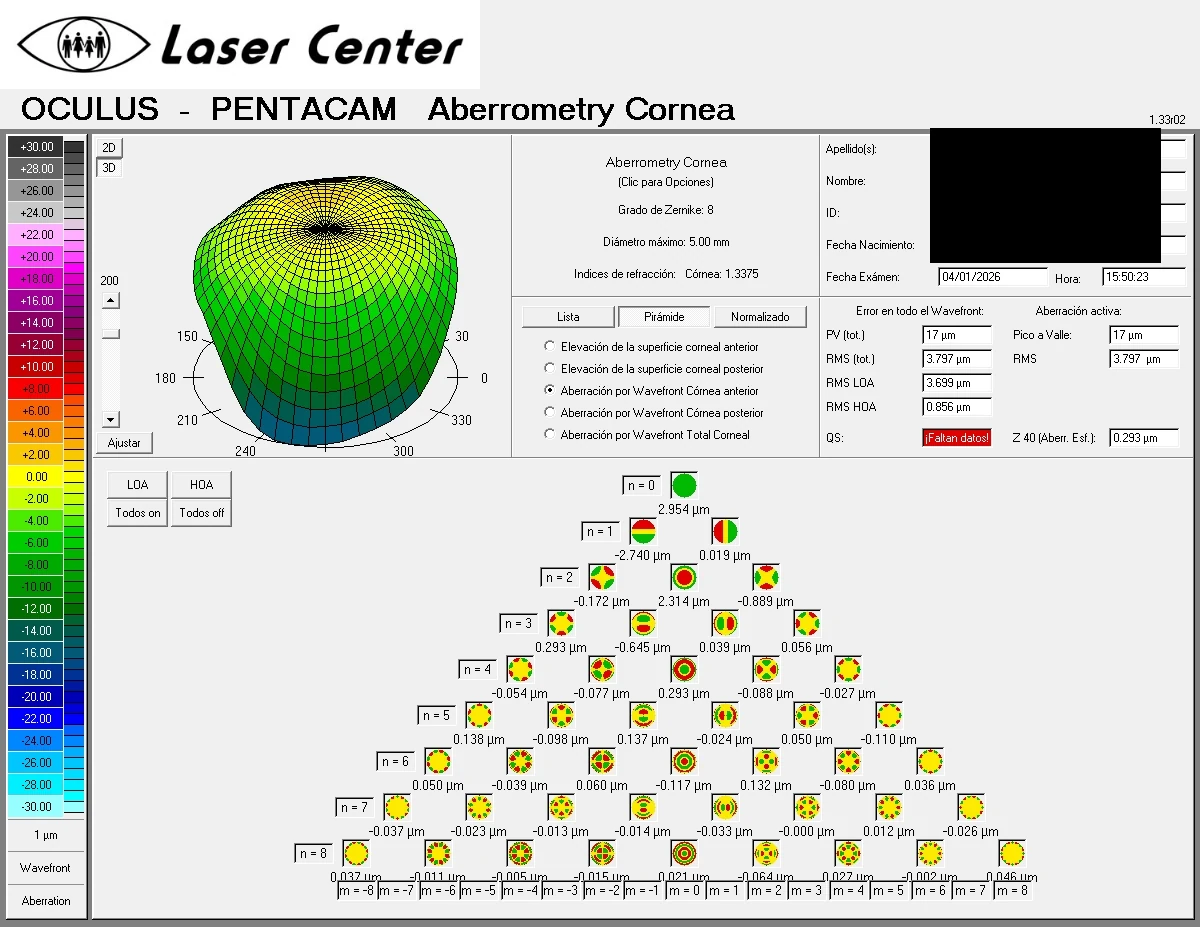
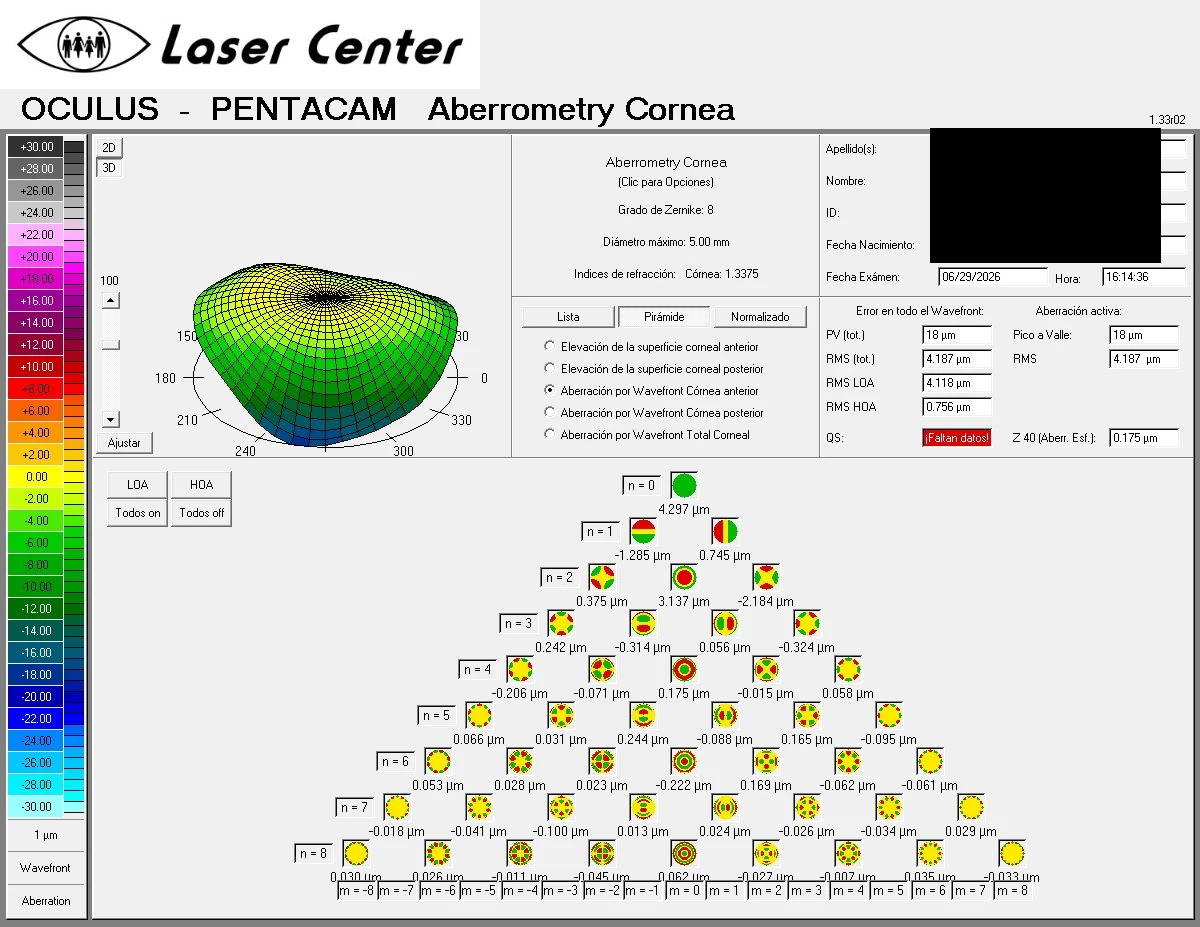
Not every keratoconus is treated the same way, and not every patient is a candidate for the same thing. The stage, the corneal thickness and whether the disease is progressing change the conversation entirely. This is what I review before proposing anything.
No. Crosslinking stabilizes the cornea and halts or slows the progression of the disease. It does not reverse keratoconus or remove the need for vision correction, but it may delay or prevent a transplant.
It is the material. ICRS are synthetic segments that the eye recognizes as a foreign body. CAIRS uses human corneal tissue that integrates with the patient's stroma, with greater biocompatibility.
No. It depends on the stage, the corneal thickness and whether the disease is progressing. In many cases the best decision is to observe and monitor; in others, to stabilize with crosslinking before considering reshaping the cornea.
Write to us and Dr. Batlle Logroño's team will coordinate your cornea or refractive surgery evaluation.
Request an appointment