Refractive surgery · Myopia
Myopia surgery in Santo Domingo
Correcting myopia is not a single surgery. I choose the technique based on your cornea, your prescription and your life, and I also know when the answer is to wait.
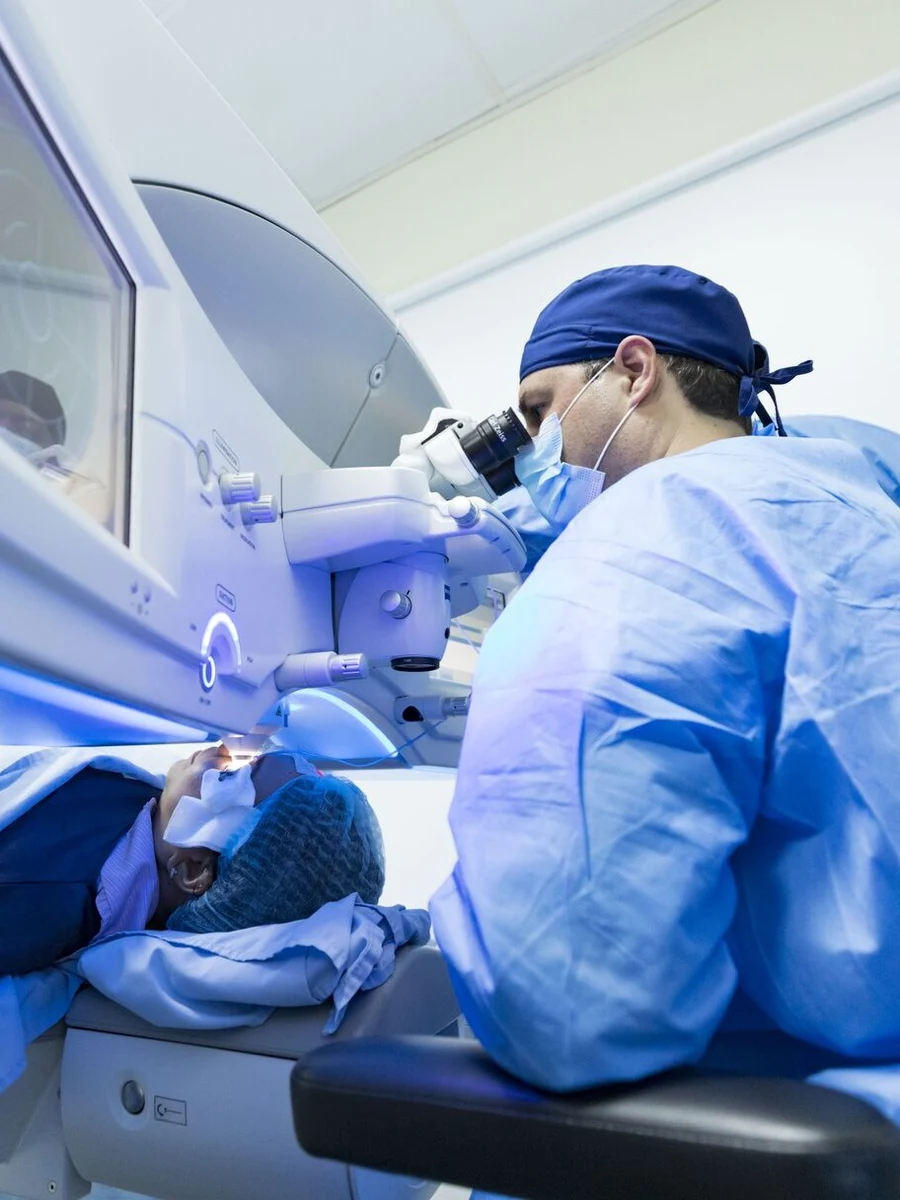
Correcting myopia is not a single surgery. I choose the technique based on your cornea, your prescription and your life, and I also know when the answer is to wait.
Correcting myopia is not a single surgery, it is a decision. Today I have several ways to correct it (SMILE, LASIK, PRK and the ICL lens), and much of my work is choosing which one makes sense for your cornea and your life, rather than always applying the same one. In Santo Domingo I make that assessment before proposing anything.
The first question is not which technique, but whether you are a candidate. A myopic eye is usually healthy, and that is the difference from a diseased cornea: I am not here to rescue lost vision, I am here to improve the vision of someone who already sees well with glasses and trusts they will be better without them. That forces me to be demanding with the workup.
SMILE is the most advanced and least invasive laser correction technique. Unlike LASIK, it does not require creating a flap, which better preserves the biomechanical integrity of the eye. I am a national pioneer and instructor of this technique in the Dominican Republic. But that does not make it the answer for everyone: topography-guided LASIK is still excellent in many cases, PRK is the option when the cornea is thinner, and the ICL resolves the high myopia that laser should not touch.
A thin cornea or a suspicious topography changes everything. Telling someone excited about surgery that their best option is to wait, or that it is another one, is never pleasant, but that is what I trained for. I prefer a patient who leaves without surgery and with a healthy cornea over a forced result.
This page is for informational purposes and does not replace an ophthalmological evaluation. Myopia surgery depends on each case and must be individualized in consultation.
Extraction of a small tissue disc with a femtosecond laser through a micro-incision. It does not create a flap, which better preserves the cornea's biomechanics and reduces dry eye symptoms in the first months after surgery.
Excimer laser correction over a pattern tailored to your cornea (Contoura, iSmart). Fast visual recovery in most cases.
Surface ablation, no flap. It is the option when the cornea is somewhat thinner or your lifestyle exposes the eye to impact.
A lens implanted inside the eye, without removing corneal tissue. For high myopia or very thin corneas that are not candidates for laser.
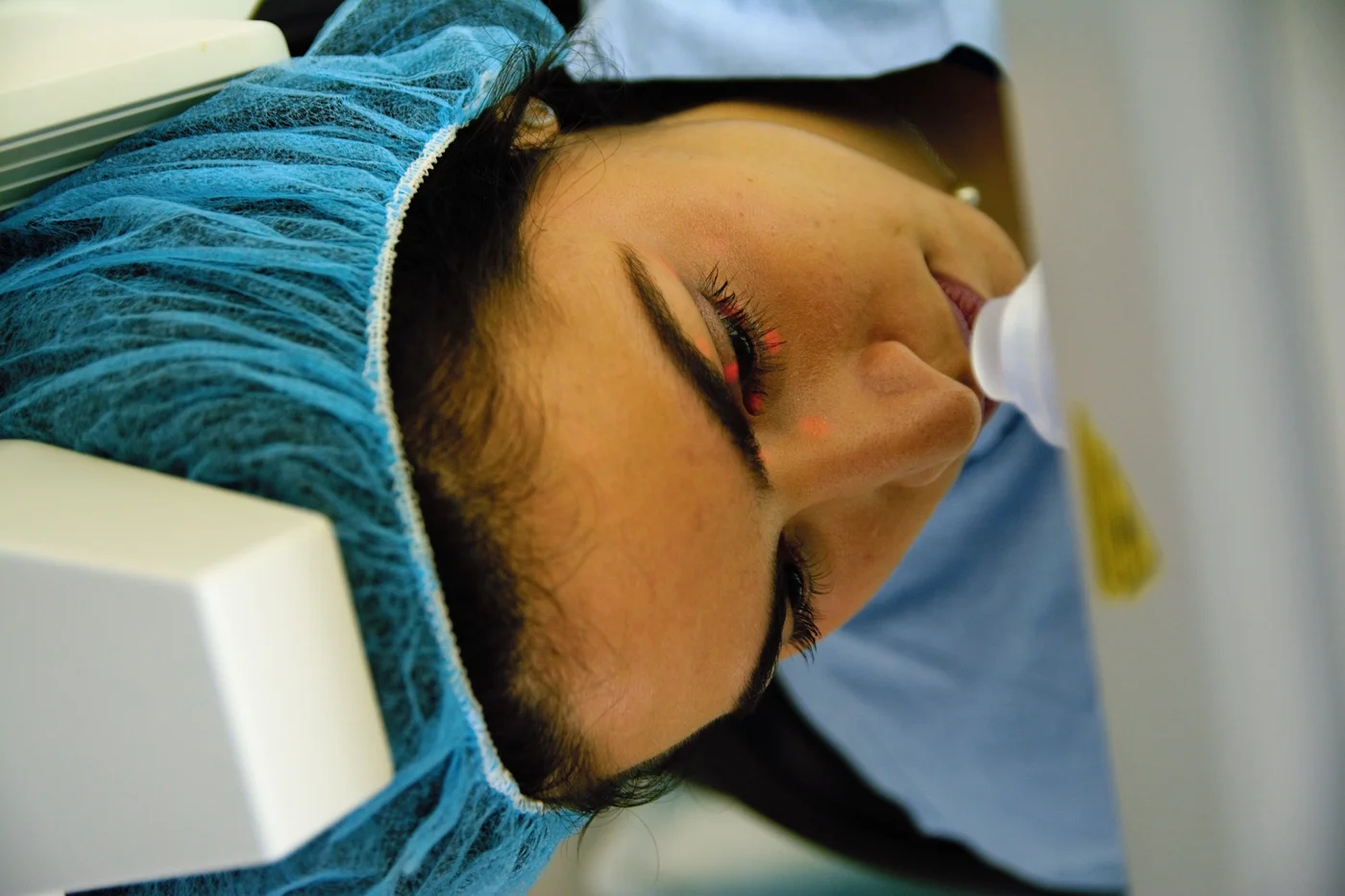
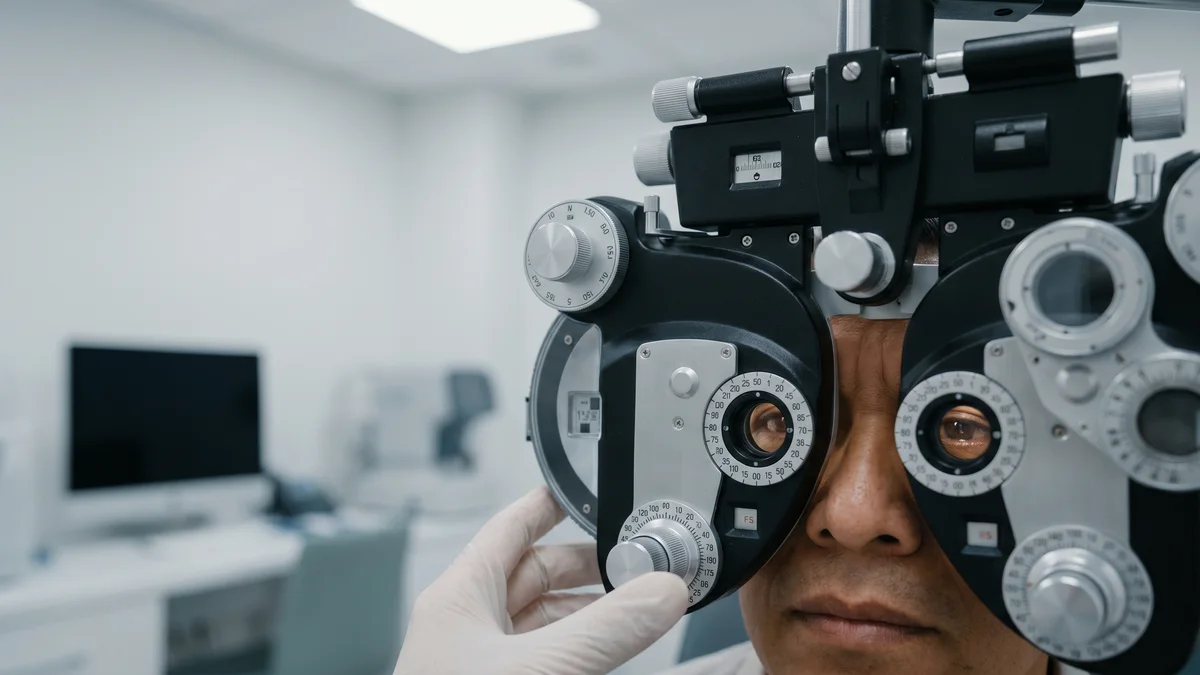
When someone who sees well with glasses sits down to leave them behind, I have a healthy person in front of me who trusts they will be better off. That responsibility forces me to study the case to the end before saying yes. This is what I review.
SMILE does not require creating a flap, which better preserves the biomechanical integrity of the eye and reduces dry eye symptoms in the first months after surgery. LASIK is still an excellent option in many cases, and sometimes the most indicated one. It depends on your cornea.
No. Very high myopia or very thin corneas may not be laser candidates. In those cases an ICL lens, implanted inside the eye without removing corneal tissue, usually makes more sense.
Laser correction is stable over time, but it does not stop the eye's natural aging. Over the years presbyopia (tired vision) or a cataract may appear, which are separate processes. Correcting myopia does not exempt you from those changes.
Write to us and Dr. Batlle Logroño's team will coordinate your cornea or refractive surgery evaluation.
Request an appointment